
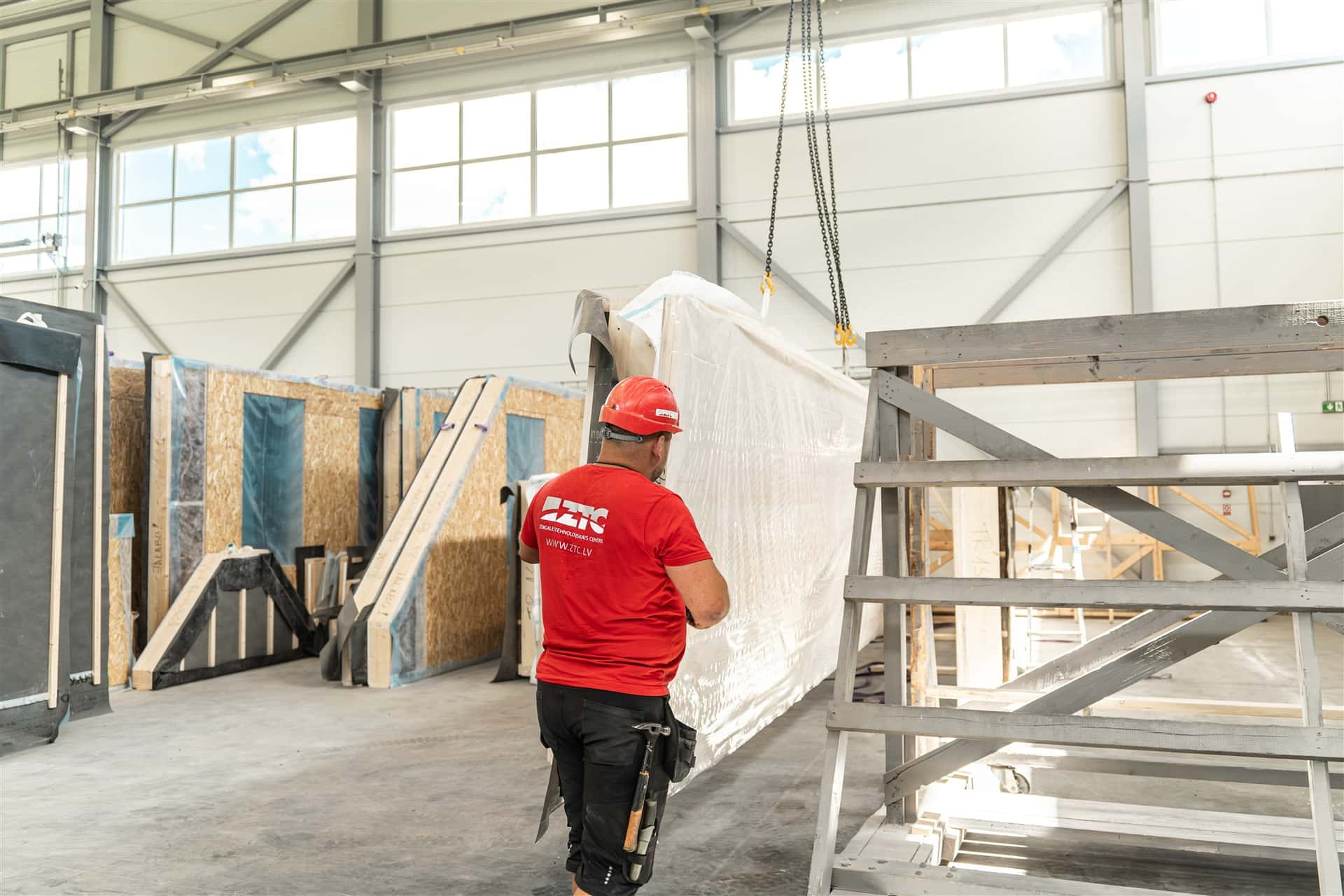
Technical Excellence
Timber Construction Technologies
Modern prefabricated building systems designed for performance, sustainability and speed. Explore the engineering solutions that make timber construction the future of building.
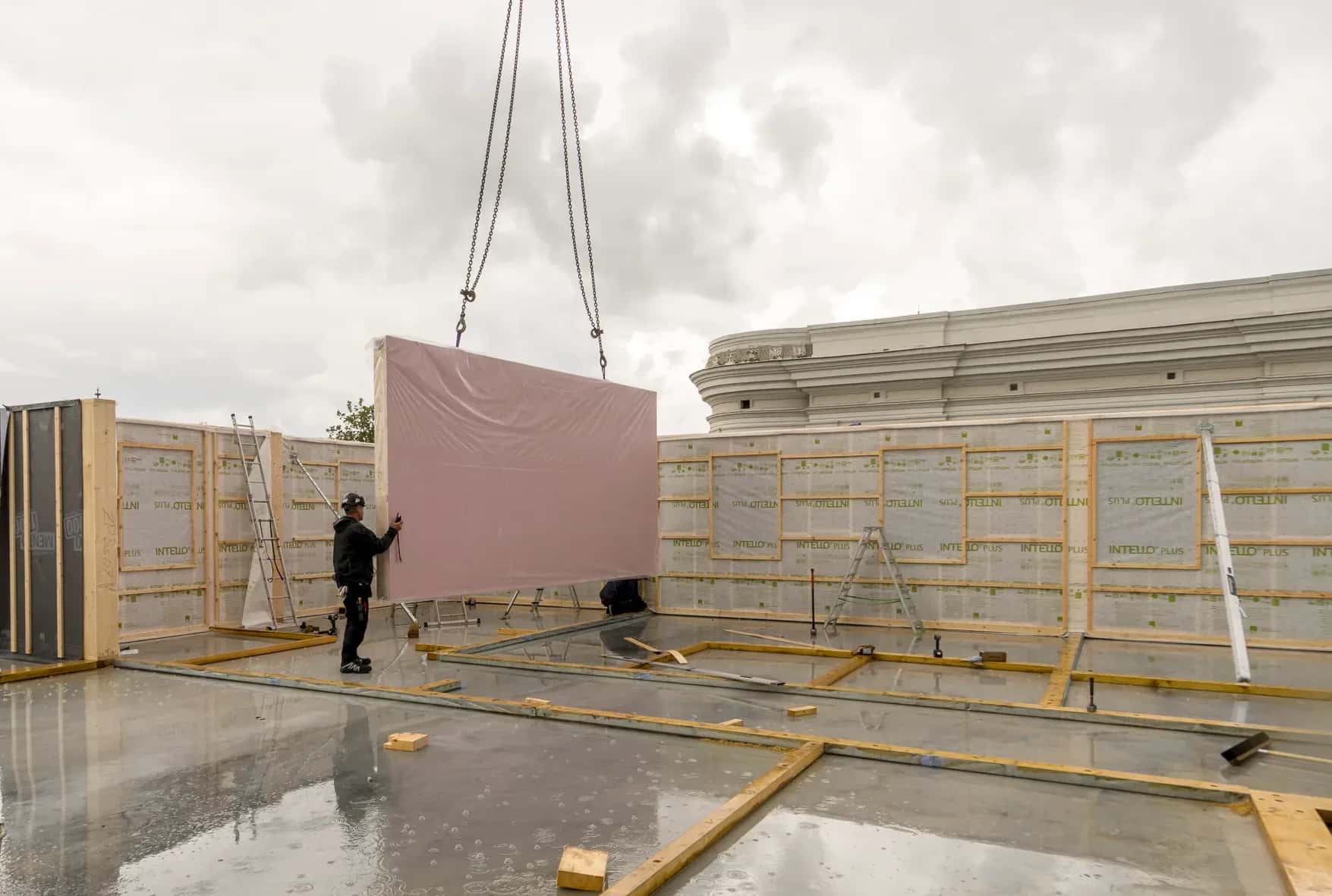
Timber Frame Construction
System Overview
Timber Frame Systems
Prefabricated timber frame panels are produced in the factory and delivered to the construction site ready for installation. Panels include structural timber framing, insulation and structural sheathing.
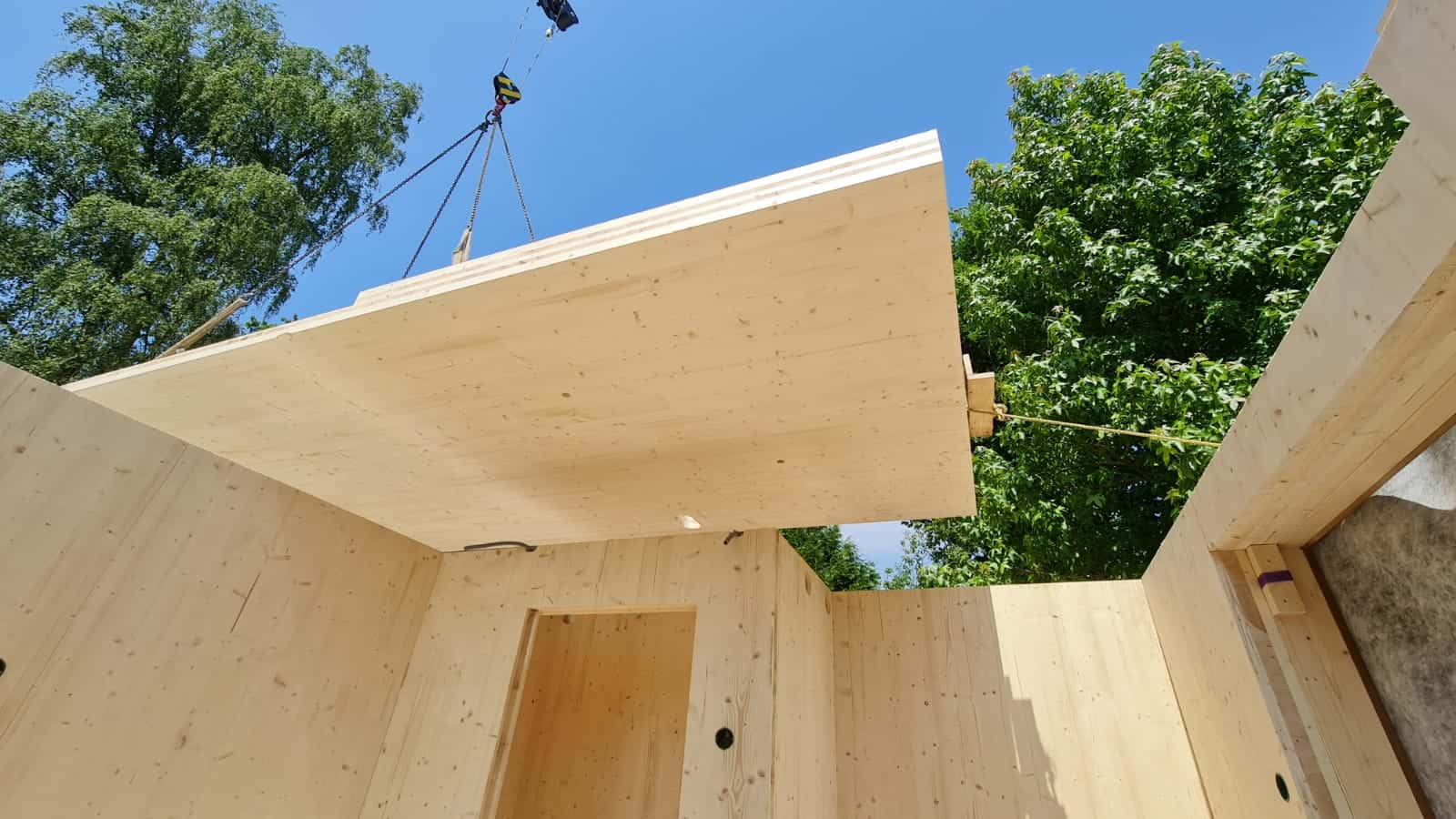
CLT Structural Panels
Mass Timber Technology
CLT Structural Systems
Cross Laminated Timber (CLT) panels are large structural wood panels used for floors, walls and roofs in modern timber buildings. These engineered mass timber elements provide exceptional performance and sustainability.
Advanced Solutions
Hybrid Timber Construction
Many modern projects combine CLT structural elements with prefabricated timber frame facade panels. This hybrid approach allows optimized cost, structural strength and thermal performance.
Cost reduction vs. pure CLT
Days per floor assembly
Supplier, contract & timeline
Hybrid systems maximize the benefits of both technologies - CLT structural core delivers mass timber performance, while timber frame insulated envelope provides superior thermal efficiency. The result is a cost-effective, high-performance building delivered under one contract and one point of accountability.
Key Benefits
Performance Features
Superior Thermal Performance
Cellulose and wood fibre insulation pressure-filled using the Swiss Isofloc industrial system. Typical wall U-value 0.15–0.20 W/m²K - passive house standard achievable.
Exceptional Airtightness
Factory-controlled production and glued membrane connections achieve airtightness n50 < 0.6 - with n50 = 0.24 recorded on completed projects.
Fire Resistance
CLT panels tested to fire resistance EI 120. Timber frame panels can be specified with additional fire protection to meet any national building regulation requirement.
Acoustic Performance
CLT acoustic performance Rw up to 65 dB. Mass timber provides natural sound attenuation - meeting residential and public building acoustic standards across Europe.
Structural Precision
Hundegger CNC manufacturing to ±1mm tolerance. Every element is cut from a digital production file - no on-site adjustments, no waste, no delays.
Sustainability
FSC and PEFC certified timber available on request. Wood is a carbon-storing, renewable material - timber construction actively contributes to reducing the carbon footprint of the built environment.
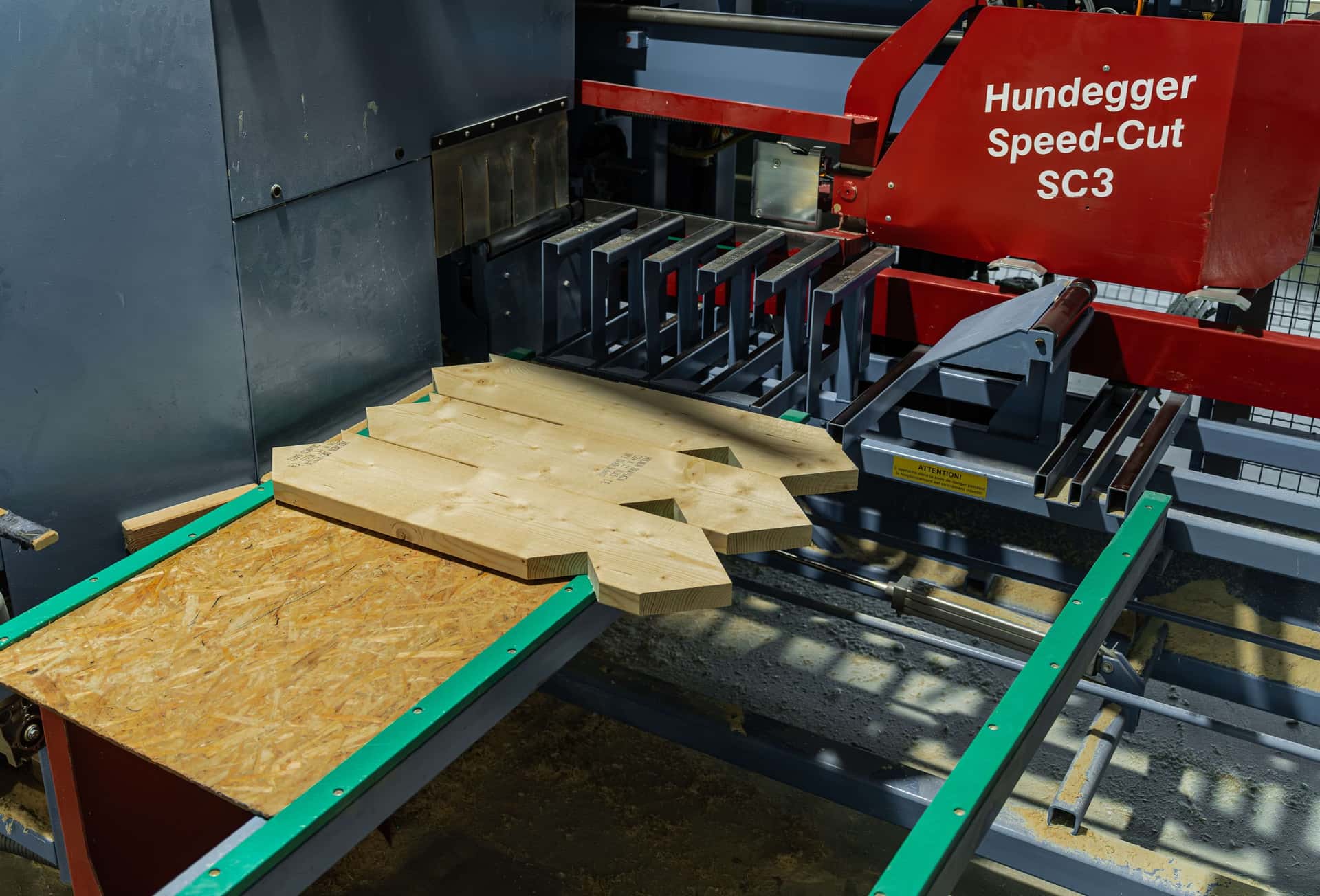
Advanced CNC Manufacturing
Quality Control
Precision Manufacturing
All structural components are manufactured in a controlled factory environment using advanced CNC equipment. This ensures superior quality, consistency, and precision that is impossible to achieve on-site.
Factory production eliminates weather dependencies and allows systematic quality checks throughout the manufacturing process.
Versatile Solutions
Applications
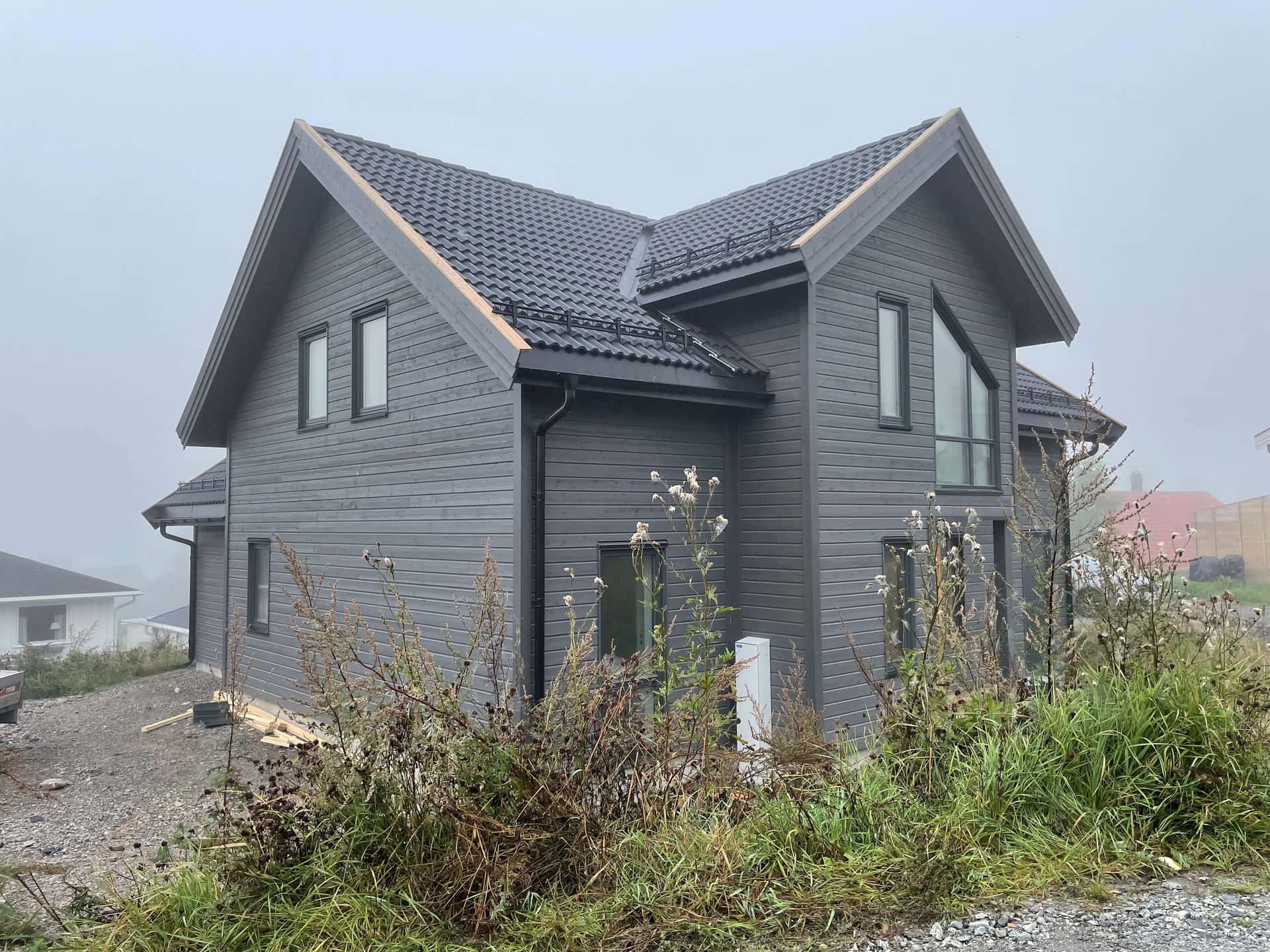
Private Residential
Single-family homes and villas - individually engineered from your architect's drawings. Timber frame panels deliver fast assembly, high energy efficiency and a healthy indoor climate.
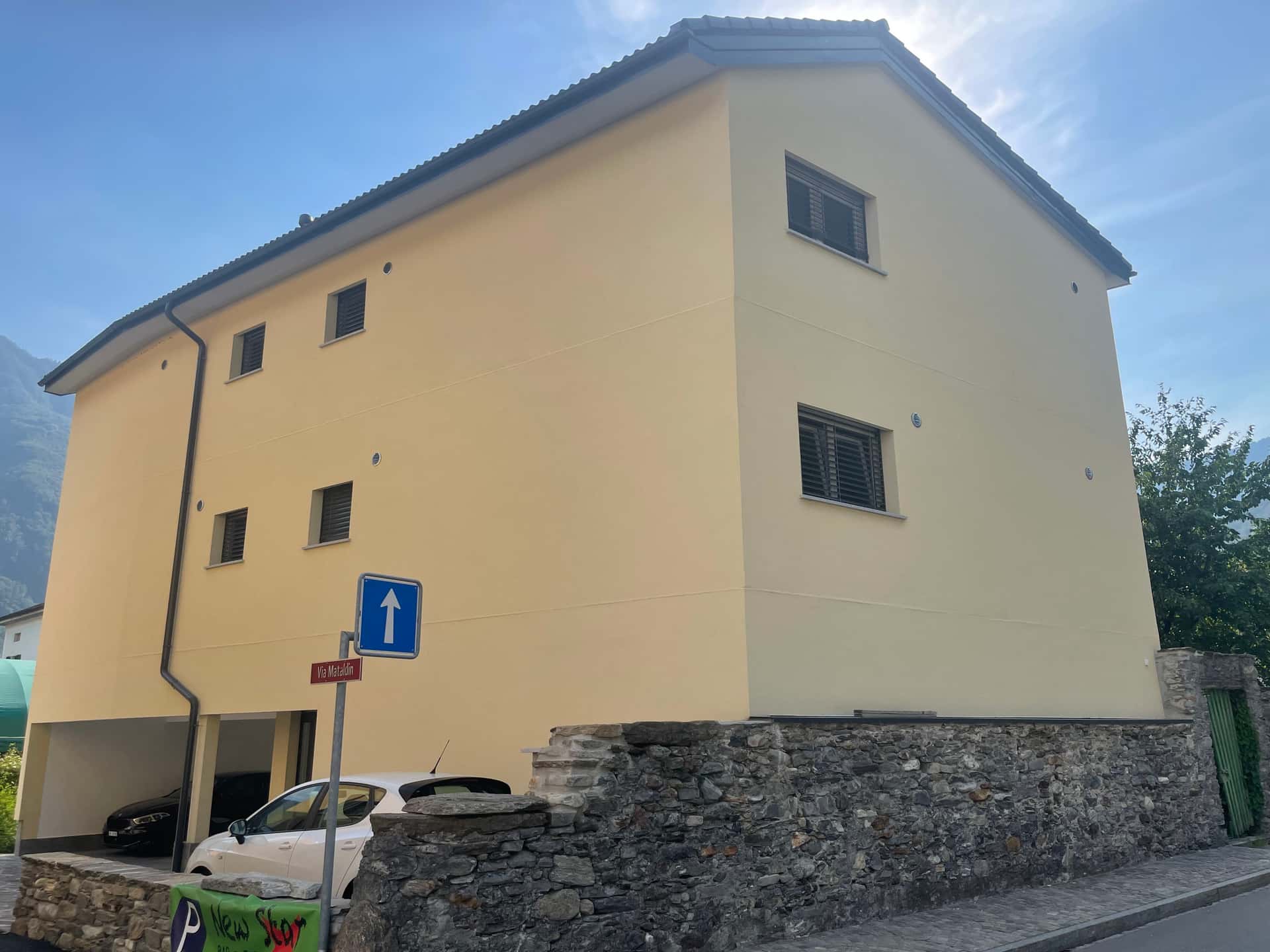
Multi-Unit Residential
Apartment blocks and townhouses up to 8 storeys. Timber frame for lower buildings, CLT or hybrid systems for mid-rise - all delivered under one contract with fixed price.
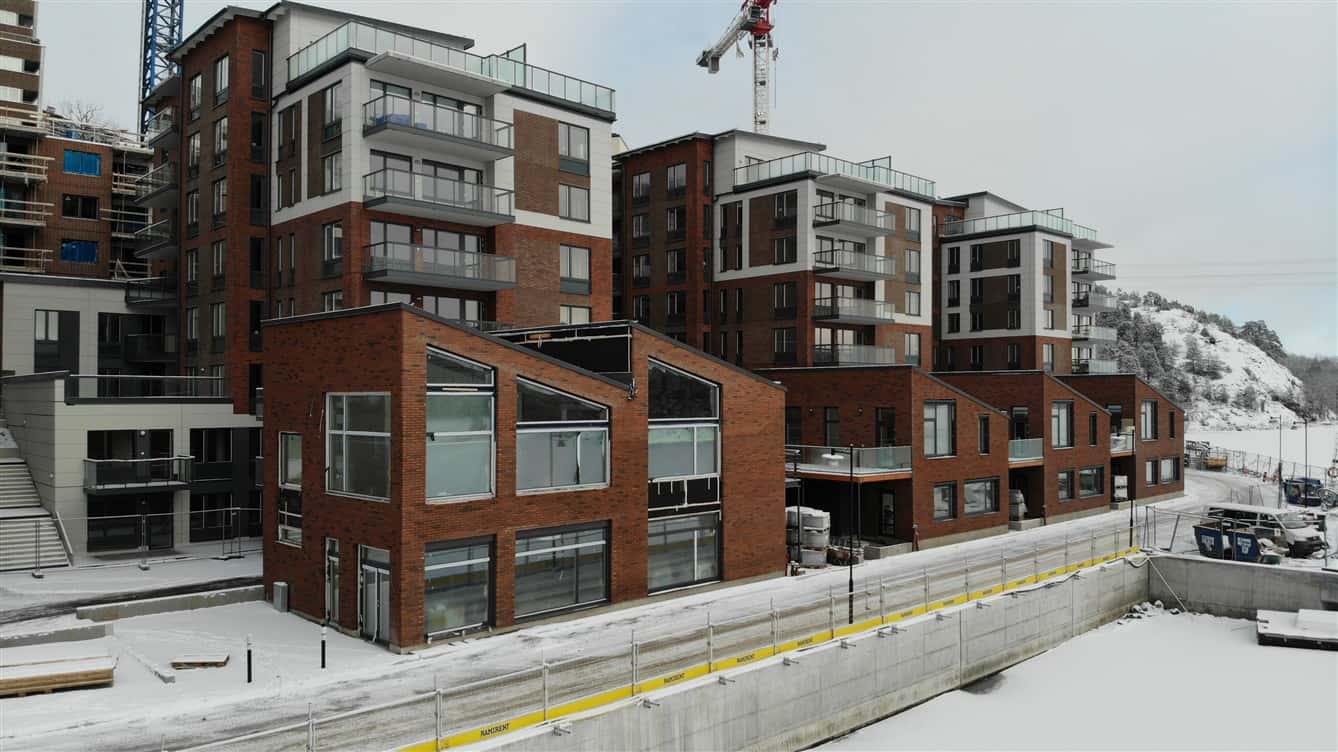
Public Buildings
Schools, kindergartens, community centres and public facilities. ZTC has delivered public timber buildings across Latvia, Switzerland and Norway - meeting elevated fire, acoustic and structural standards.
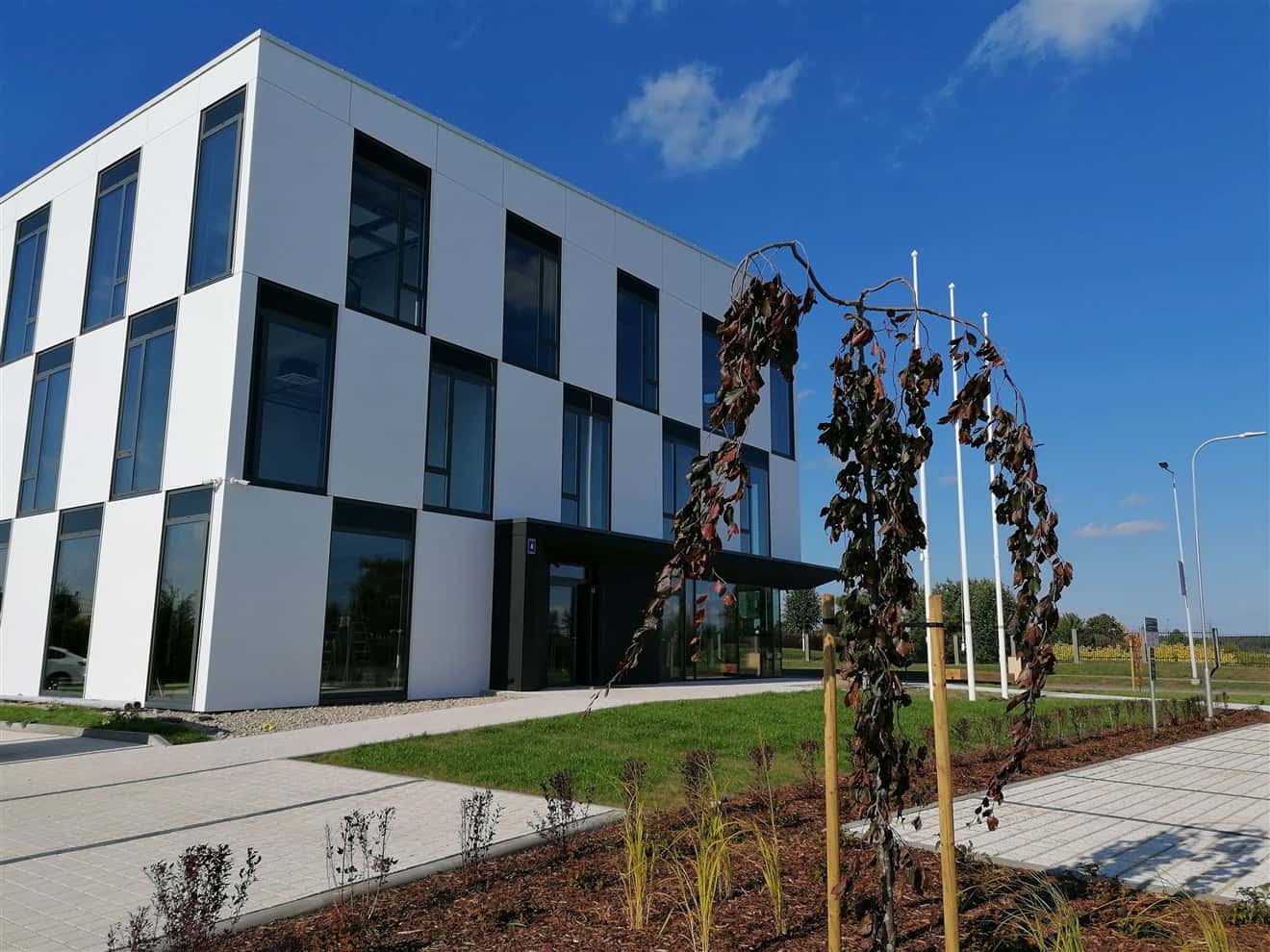
Commercial & Infill
Office buildings, commercial facilities and infill panels for steel or concrete frames. Lightweight timber infill panels are ideal for urban renovation and facade upgrades.
Technology Comparison
Timber Frame vs CLT
Timber Frame
- ✓Ideal for 1–5 storey residential buildings
- ✓Insulated panels; U-value from 0.12 W/m²K
- ✓Factory-fitted windows available
- ✓Lower cost per m² than CLT
- ✓Fast assembly (3–5 days per floor)
- ✓Best choice for private houses and low-rise residential
CLT Systems
- ✓Suitable for structures up to 8 storeys
- ✓Mass timber - fire resistance up to EI 120
- ✓Visible interior finish, no additional cladding needed
- ✓Superior acoustic performance - Rw up to 65 dB
- ✓Ideal for mid-rise residential and public buildings
- ✓Best choice for multi-storey and architectural projects
Frequently asked questions
Comfort panels use mineral wool within the frame. Premium and Lux use wood fibre or cellulose insulation; Premium adds a 22 mm wood fibre windproof board, while Lux adds a 40 mm STEICO THERM wood fibre layer. Additional 45 mm internal insulation and plasterboard are excluded from these packages. For Comfort, Premium and Lux, roof panel insulation is 50 mm thicker than the insulation in the corresponding external wall.
Panels are connected with long screws or special timber connectors. A wind barrier is used externally, a vapour control layer internally, and membranes are carefully taped across the building.
Panels are connected with long screws or special timber connectors. A wind barrier is used externally and a vapour control layer internally, with membranes carefully taped across the building.
Airborne sound insulation in timber houses can be very good, especially with cellulose or wood fibre. Impact sound in intermediate floors should be addressed with appropriate floor and ceiling solutions.
Airborne sound performance in timber houses can be very good. Impact sound in intermediate floors is addressed with appropriate floor and ceiling solutions.
For houses up to around 3 storeys, timber frame is often more economical. CLT may suit load-bearing structures, hybrid solutions or where exposed solid timber walls are desired.
For houses up to around 3 storeys, timber frame is often more economical. CLT may suit load-bearing structures, hybrid solutions or exposed solid timber walls.
The wall U-value is calculated for the individual project using all wall layers, material properties and structural junctions. Comfort, Premium and Lux differ in frame, insulation and barrier construction; the panel specification name alone does not determine a guaranteed U-value.
The n50 value describes the airtightness of the whole building. The target is set in the design and the achieved result is verified by a building airtightness test. Joints, windows, doors and assembly quality also affect the result; the panel specification alone does not guarantee a particular n50 value.
Yes, ZTC structures can be adapted for A+ energy performance class. The result depends not only on wall insulation but also on building form, windows, orientation, airtightness, ventilation and heating systems.
Yes, ZTC structures can be adapted for A+ energy performance class. The result depends on insulation, thermal bridges, building airtightness, windows, orientation, ventilation and heating systems.
A preliminary energy assessment is carried out during the design stage before construction and the building authority process. It helps determine whether additional insulation or other technical measures are needed.
A preliminary energy assessment is carried out during the design stage before construction starts. It helps determine whether additional insulation or other technical measures are needed. After construction, a final assessment follows to confirm compliance.
Yes, timber structures are suitable for the Latvian climate when correctly designed, insulated and built. ZTC structures are adapted to the energy performance requirements of each project.
Yes, timber structures are suitable for the Latvian climate when correctly designed, insulated and built. ZTC structures are adapted to each project’s energy performance requirements.
ZTC manufactures and assembles houses itself, has 34 years of experience, CE and ETA-21/0014 certification, Hundegger CNC precision of ±1 mm and an industrial insulation installation system.
ZTC manufactures and assembles houses itself. The company has 34 years of experience, CE marking and ETA-21/0014, Hundegger CNC precision of ±1 mm and an industrial Isofloc insulation system.
Let's Build Together
Planning a Timber Building?
Our team can help determine the best structural system for your project's unique requirements and goals.