
Google review
ZTC built my house in 2012, and they have done some reclamation work in two periods since then. Only positive experiences with ZTC! Good quality of workmanship and customer support.
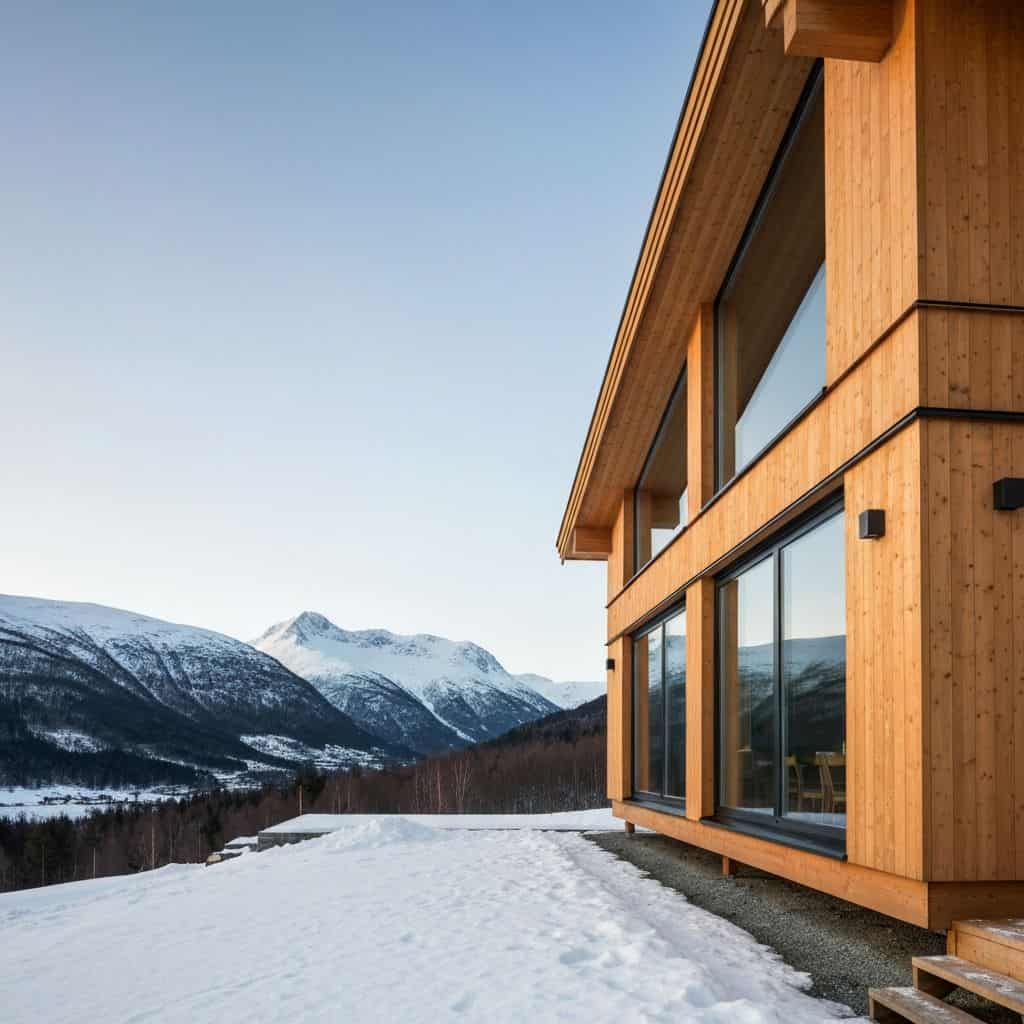
We install cellulose and wood fibre insulation using the industrial Isofloc system in our factory. Controlled conditions reduce the risk of gaps in the insulation.
35+
years of experience
400+
completed projects
14
European countries
±1 mm
CNC precision
Cellulose and wood fibre insulation can improve the indoor climate. Compared with mineral wool, denser materials may also help dampen sound, although the result depends on the construction and workmanship. An A+ rating depends on the whole building. Read about energy-efficient timber houses and A+ designs.
We install the insulation in the factory. The building's final energy performance and comfort also depend on the rest of the design and the quality of the work.
We install insulation in the factory to reduce the risk of unfilled cavities.
Industrial Isofloc system for cellulose and wood fibre insulation.
Denser materials compared with mineral wool may help with sound damping, but results depend on construction.
An energy audit is usually carried out at design stage to determine the appropriate solution before production.
Clients describe ZTC's precision, organised process and professional communication in their Google reviews.
Google review
ZTC built my house in 2012, and they have done some reclamation work in two periods since then. Only positive experiences with ZTC! Good quality of workmanship and customer support.
Google review
Ļoti profesionāls un ieinteresēts darbs no ZTC puses, lai maksimāli izpildītu klienta vēlmes mājas būvniecībā, ieguldot laiku visu detaļu precizēšanā, kā rezultātā pašas būvniecības laikā neko nevajadzēja koriģēt un ir tapusi patiesi kvalitatīva māja. Atzinīgus vārdus par mājas būvniecības kvalitāti saņēmām no visiem speciālistiem, ar kuriem sadarbojāmies vēlāk - liekot logus un durvis, jumta segumu un apdari. Paldies par paveikto un varam tikai ieteikt citiem izmantot ZTC pakalpojums māju būvniecībā! Pateicībā, Irēna un Janeks
Isofloc system in controlled factory conditions.
Cellulose and wood fibre insulation according to the project.
U-value 0.12 to 0.15 W/m²K possible depending on construction.
An A+ rating also depends on windows, ventilation and airtightness. Wall thickness alone is not enough.
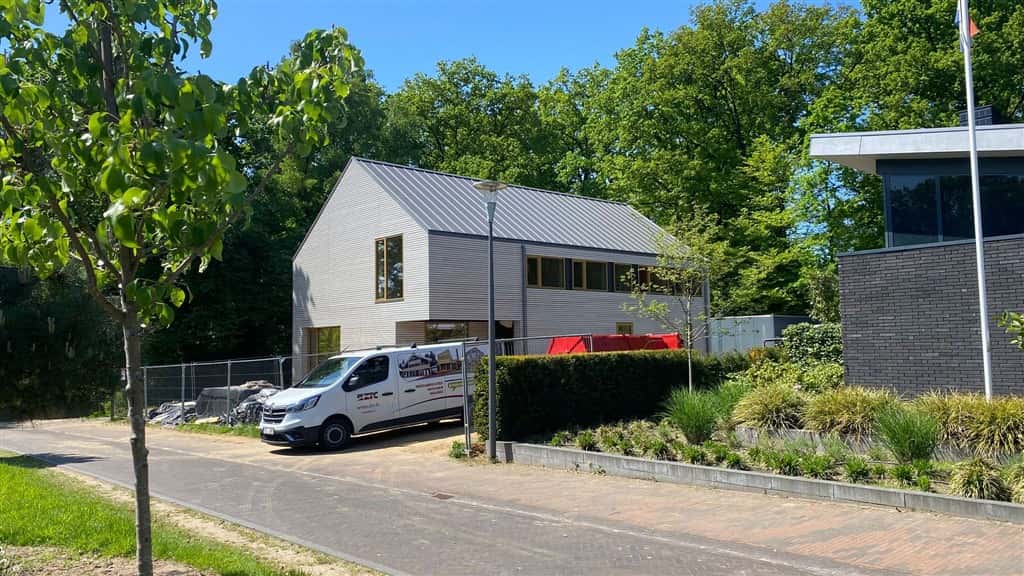
Private residence
Gelderland, Netherlands
View project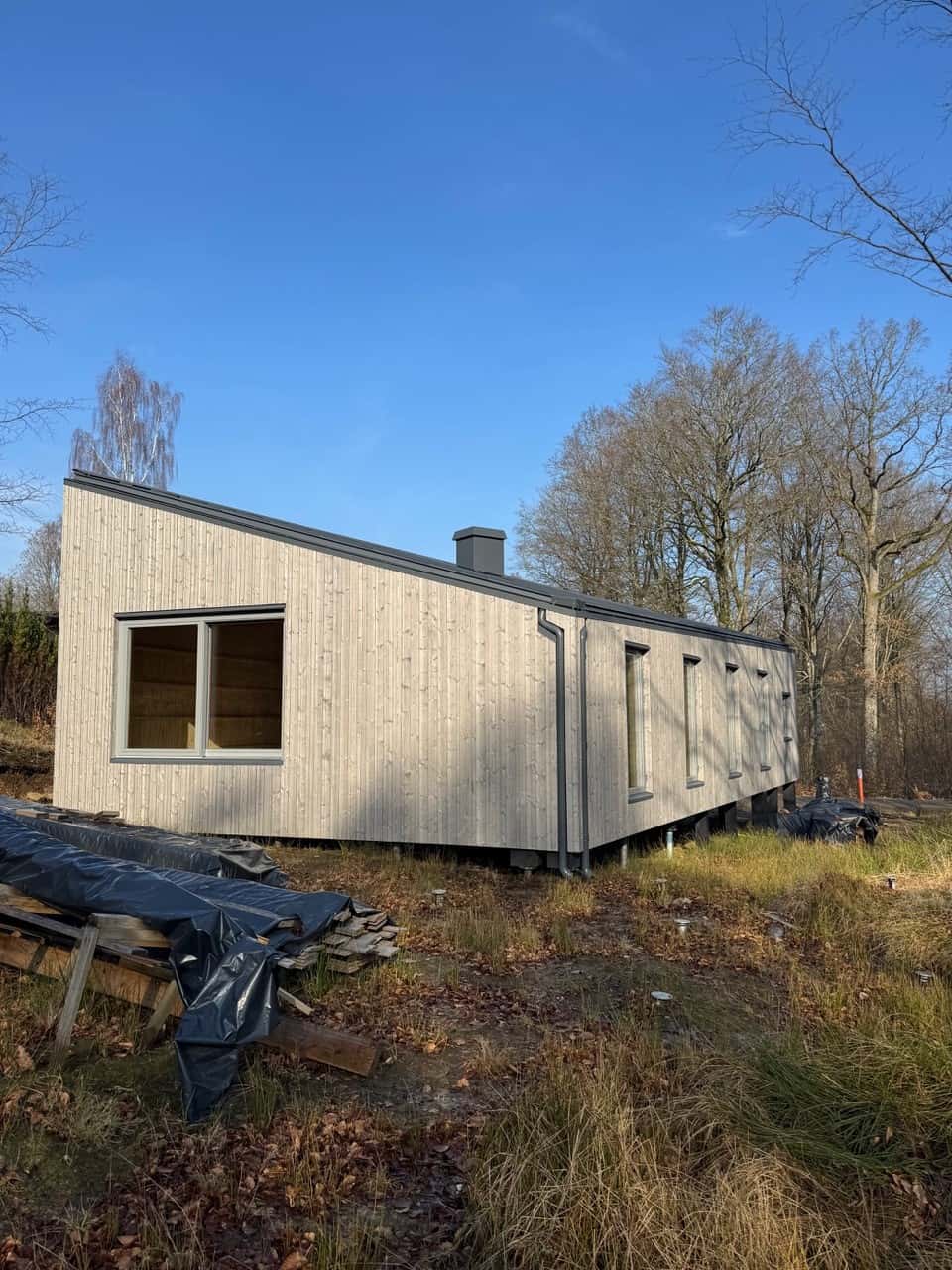
Private residence
, Sweden
View project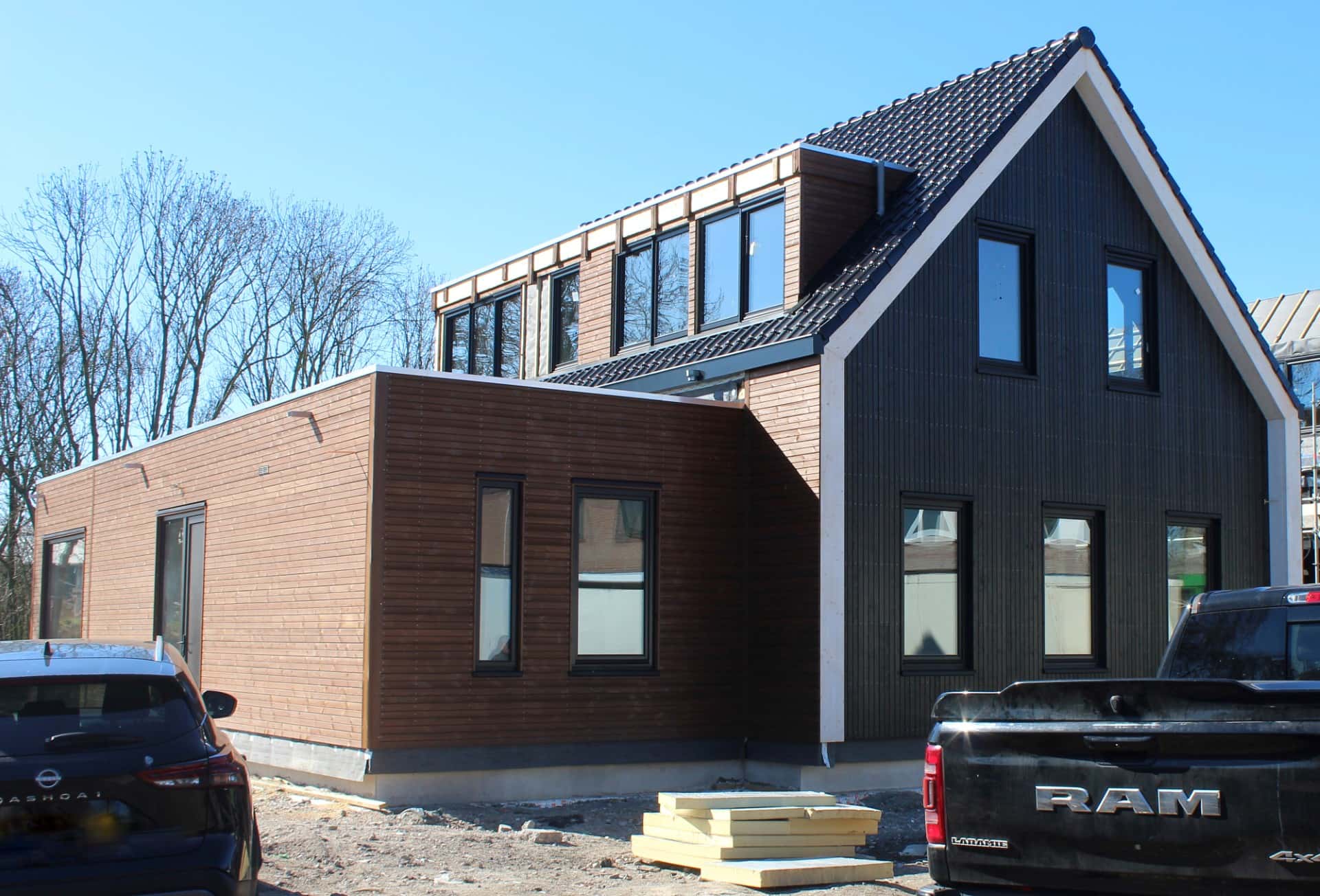
Private residence
Amsterdam, Netherlands
View project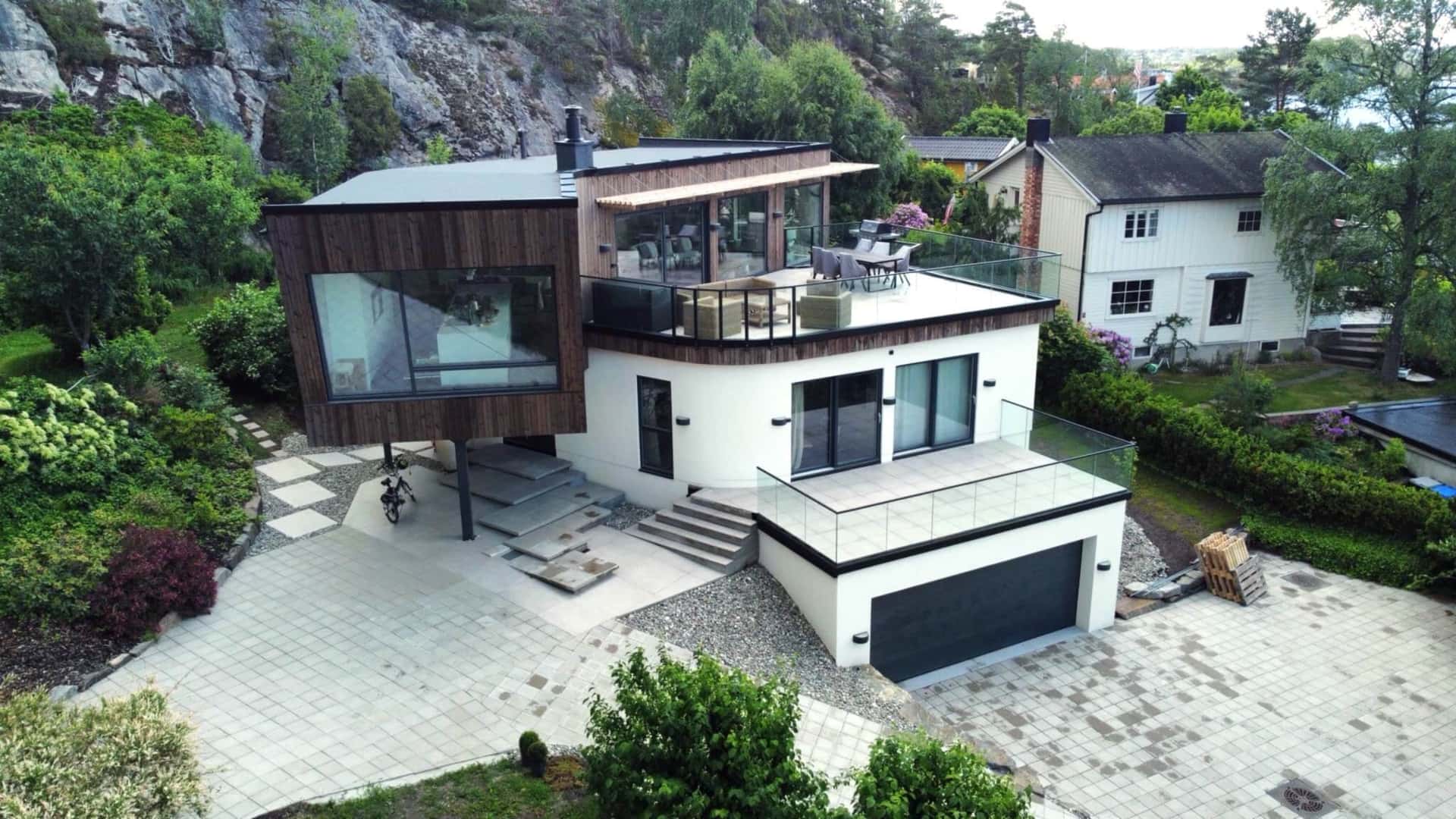
Private residence
Akershus, Norway
View project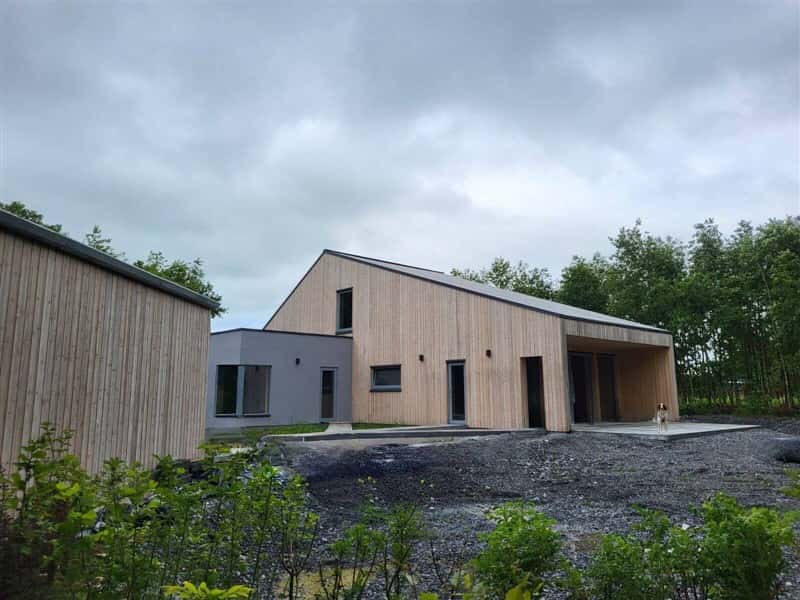
Private residence
Leinster, Ireland
View project
Private residence
Oslo, Norway
View projectQuestions about cellulose insulation, technologies and energy performance.
Comfort panels use mineral wool within the frame. Premium and Lux use wood fibre or cellulose insulation; Premium adds a 22 mm wood fibre windproof board, while Lux adds a 40 mm STEICO THERM wood fibre layer. Additional 45 mm internal insulation and plasterboard are excluded from these packages. For Comfort, Premium and Lux, roof panel insulation is 50 mm thicker than the insulation in the corresponding external wall.
Panels are connected with long screws or special timber connectors. A wind barrier is used externally, a vapour control layer internally, and membranes are carefully taped across the building.
Panels are connected with long screws or special timber connectors. A wind barrier is used externally and a vapour control layer internally, with membranes carefully taped across the building.
Airborne sound insulation in timber houses can be very good, especially with cellulose or wood fibre. Impact sound in intermediate floors should be addressed with appropriate floor and ceiling solutions.
Airborne sound performance in timber houses can be very good. Impact sound in intermediate floors is addressed with appropriate floor and ceiling solutions.
For houses up to around 3 storeys, timber frame is often more economical. CLT may suit load-bearing structures, hybrid solutions or where exposed solid timber walls are desired.
For houses up to around 3 storeys, timber frame is often more economical. CLT may suit load-bearing structures, hybrid solutions or exposed solid timber walls.
The wall U-value is calculated for the individual project using all wall layers, material properties and structural junctions. Comfort, Premium and Lux differ in frame, insulation and barrier construction; the panel specification name alone does not determine a guaranteed U-value.
The n50 value describes the airtightness of the whole building. The target is set in the design and the achieved result is verified by a building airtightness test. Joints, windows, doors and assembly quality also affect the result; the panel specification alone does not guarantee a particular n50 value.
Yes, ZTC structures can be adapted for A+ energy performance class. The result depends not only on wall insulation but also on building form, windows, orientation, airtightness, ventilation and heating systems.
Yes, ZTC structures can be adapted for A+ energy performance class. The result depends on insulation, thermal bridges, building airtightness, windows, orientation, ventilation and heating systems.
A preliminary energy assessment is carried out during the design stage before construction and the building authority process. It helps determine whether additional insulation or other technical measures are needed.
A preliminary energy assessment is carried out during the design stage before construction starts. It helps determine whether additional insulation or other technical measures are needed. After construction, a final assessment follows to confirm compliance.
Yes, timber structures are suitable for the Latvian climate when correctly designed, insulated and built. ZTC structures are adapted to the energy performance requirements of each project.
Yes, timber structures are suitable for the Latvian climate when correctly designed, insulated and built. ZTC structures are adapted to each project’s energy performance requirements.
ZTC manufactures and assembles houses itself, has 34 years of experience, CE and ETA-21/0014 certification, Hundegger CNC precision of ±1 mm and an industrial insulation installation system.
ZTC manufactures and assembles houses itself. The company has 34 years of experience, CE marking and ETA-21/0014, Hundegger CNC precision of ±1 mm and an industrial Isofloc insulation system.
Send us the project details so we can assess the construction and insulation specification.